
Renewable energy has steadily moved from a niche concept to a practical part of modern household life. Advances in energy storage, solar technology, and home power management have reshaped how electricity is generated and used. For many households, the appeal is no longer limited to environmental considerations but increasingly tied to reliability, convenience, and cost stability. Everyday routines—from preparing meals to staying connected—depend heavily on consistent and predictable power. Interruptions, fuel logistics, and rising energy costs often introduce avoidable friction into daily living. In this article, the ways renewable energy solutions simplify household habits, reduce noise and maintenance, and improve long-term comfort are explored.
1. No More Gas Station Runs
Solar-Powered Whole-Home Backup System
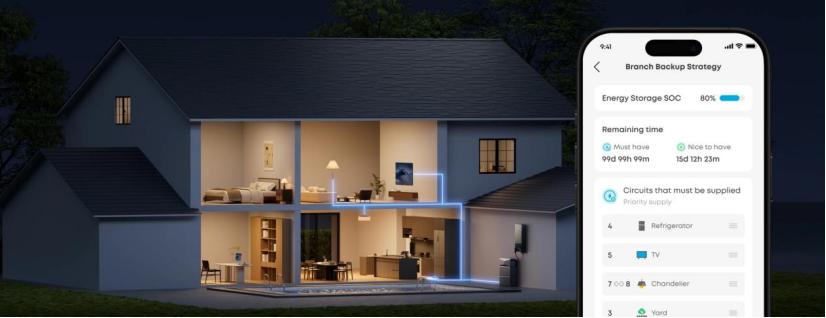
Solar-powered backup systems eliminate one of the most inconvenient aspects of traditional generators: fuel dependency. Without the need for gasoline or diesel, households avoid last-minute trips during storms, shortages, or emergencies. Energy captured from sunlight can be stored and used whenever required, creating a reliable reserve that operates independently of supply chains. This approach reduces uncertainty while also simplifying preparation routines. Systems designed for whole-home support can maintain refrigeration, lighting, and connectivity without interruption. Solutions such as the Anker SOLIX E10 demonstrate how integrated designs combine battery storage with intelligent circuit management, and units capable of delivering around 10 kW of output for short durations can sustain demanding appliances when it matters most.
Skip Storing, Rotating, and Hauling Gas Cans
Fuel storage introduces its own set of challenges that often go unnoticed until they become problematic. Gasoline must be safely stored, periodically rotated, and protected from degradation over time. Containers require space, careful handling, and attention to safety considerations, especially in homes with limited storage areas. Transporting fuel during adverse weather can also present logistical and practical difficulties. Renewable energy systems remove these recurring tasks entirely by relying on stored electrical energy rather than combustible fuels. This shift not only simplifies household management but also reduces physical effort and safety concerns associated with fuel handling.
2. Quiet Mornings and Peaceful Nights
No Generator Noise Disturbing Sleep or Neighbors
Noise is a frequently underestimated drawback of conventional backup generators. Combustion engines generate continuous mechanical sound that can disrupt sleep, conversations, and neighborhood tranquility. During extended outages, this background noise becomes a persistent source of discomfort rather than reassurance. Renewable energy systems powered by batteries operate silently, preserving the normal acoustic environment of a home. This characteristic is especially valuable at night, when quiet conditions contribute to rest and recovery. The absence of engine noise also improves relationships with nearby residents, particularly in densely populated areas.
Fans and Lights Run Silently in the Background
Silence plays a subtle yet important role in perceived comfort and well-being within living spaces. Devices such as fans, lights, and communication equipment often run for extended periods, especially during outages or extreme temperatures. When powered by battery backup systems, these appliances function without audible disturbance. This allows households to maintain illumination, airflow, and connectivity without introducing additional stress. The experience closely mirrors normal grid electricity, reinforcing a sense of stability during disruptions. Over time, quiet operation becomes less of a feature and more of an expected aspect of modern energy systems.
3. Fewer Bills to Track and Pay
Solar Offsets Monthly Electric Costs
Electricity expenses represent a recurring concern for many households, particularly as energy usage increases with modern devices. Solar generation offers a direct mechanism for offsetting portions of these monthly costs by producing usable power on-site. Stored solar energy can be consumed during peak hours or outages, reducing dependence on external supply. This arrangement introduces greater predictability into household budgeting and financial planning. When paired with a battery backup, excess generation can be preserved rather than wasted. Gradually, this dynamic shifts energy from a purely consumptive expense to a partially self-managed resource.
One less Bill to Worry About Over Time
Administrative simplicity is an often-overlooked advantage of distributed energy solutions. Managing multiple utilities, due dates, and fluctuating charges can create subtle but persistent cognitive load. Partial energy independence reduces exposure to some of these variables, simplifying long-term financial management. While solar systems may not eliminate electricity bills entirely, they can reduce their volatility and perceived burden. Over extended periods, fewer surprises and greater stability enhance household confidence. Practical benefits emerge not only in cost savings but also in reduced mental effort associated with bill tracking.
4. Less Maintenance, More Freedom
No Oil Changes, Spark Plugs, or Winterizing
Traditional fuel-based generators require ongoing mechanical maintenance to remain reliable. Oil changes, component inspections, and seasonal preparation routines introduce recurring responsibilities. Neglected maintenance can lead to reduced efficiency or unexpected failures during critical moments. Battery-based renewable systems largely avoid these mechanical demands due to their simplified operating principles. The absence of combustion engines removes many wear-related variables entirely. This reduction in upkeep translates directly into saved time, lower service costs, and fewer operational concerns.
Systems Just Work With Minimal Attention
Reliability in household technology is often defined by consistency rather than complexity. Renewable energy systems designed for home integration emphasize automated management, intelligent charging, and stable performance. Once installed, many operate with limited user intervention, quietly supporting daily activities. This characteristic aligns well with modern expectations for convenience-oriented appliances. Reduced maintenance requirements allow homeowners to focus on routines rather than equipment oversight. In practical terms, systems that “just work” contribute significantly to perceived ease and long-term satisfaction.
Conclusion
Renewable energy technologies increasingly serve as tools of convenience rather than abstract innovations. By removing fuel logistics, reducing noise, stabilizing expenses, and minimizing maintenance, these systems address common household frustrations. The integration of solar generation with battery backup capabilities enhances both reliability and daily comfort. Quiet operation, predictable performance, and simplified management collectively reshape the home energy experience. As households grow more dependent on uninterrupted electricity, practical resilience becomes an essential consideration. Renewable energy solutions, when thoughtfully implemented, provide a stable foundation for modern living while reducing many traditional burdens associated with backup power.