Introduction
Protecting your infant’s hearing is essential to their long-term health and development. Infants are especially vulnerable to loud noises that can affect their delicate auditory systems. Choosing the right ear muffs is a proactive step in safeguarding your child’s hearing in noisy environments. This guide will walk you through selecting the best ear muffs for infants, helping you make an informed decision.
Why Hearing Protection is Crucial for Infants
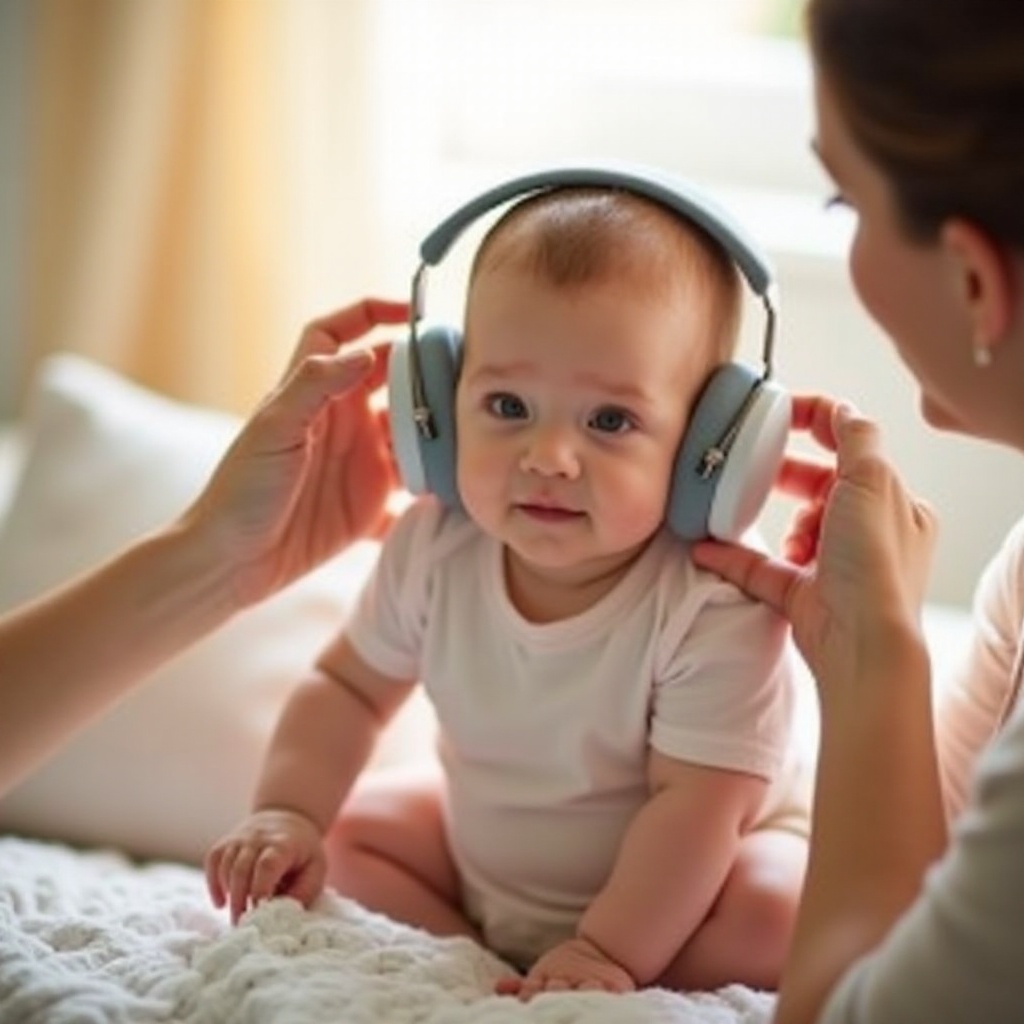
Infants frequently encounter noise exposure in places like airports, concerts, and even bustling city streets. Persistent loud noises can damage hearing over time, potentially leading to hearing loss or developmental issues. Understanding these risks is vital for parents who want to protect their children’s hearing from the start.
Key Features to Consider When Choosing Ear Muffs
Selecting ear muffs involves several key considerations to ensure safety and effectiveness.
-
Noise Reduction Rating (NRR): This rating indicates how effectively ear muffs can block noise. A higher NRR means better noise reduction. For infants, choose ear muffs with an NRR of at least 20-25 decibels.
-
Comfort and Fit: The ear muffs should fit snugly yet comfortably over your child’s ears. Opt for adjustable headbands that can grow with your child. Soft, padded ear cups are also essential for comfort.
-
Material and Build Quality: Look for materials that are durable, non-toxic, and hypoallergenic. The build quality should ensure longevity and withstand regular usage, especially in active settings.
Top 5 Best Ear Muffs for Infants in 2024
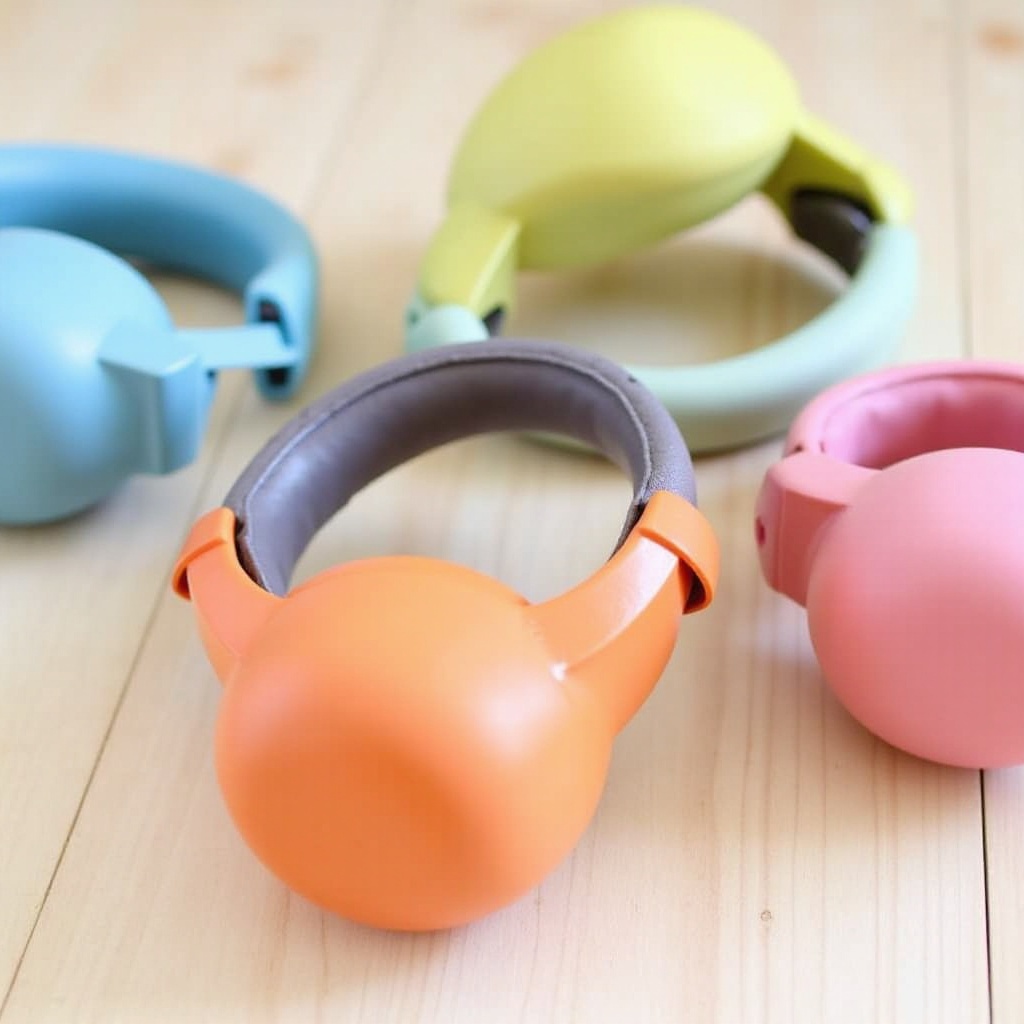
Having understood the essential features, you’re now ready to explore some of the top-rated ear muffs for infants in 2024, carefully selected based on user reviews and expert recommendations:
-
Product 1: Known for its high NRR and adjustable headband, this product is popular among parents for its comfort and safety.
-
Product 2: A budget-friendly option that doesn’t compromise on quality. Features soft ear cups and a child-friendly design.
-
Product 3: Offers superior noise reduction and a sturdy build. Its stylish look and easy adjustability make it a favorite.
-
Product 4: Highly rated for its hypoallergenic materials and comfortable fit. Ideal for very young infants and newborns.
-
Product 5: A popular choice for its compact design and reliable performance. Great for travel and outdoor use.
How to Properly Fit and Use Infant Ear Muffs
Ensuring the correct fit and use of ear muffs maximizes their effectiveness. Here are some steps to guide you:
-
Adjust the Headband: Make sure the headband fits comfortably over your baby’s head. It should sit flat and secure without being too tight.
-
Position the Ear Cups: Align the ear cups over your child’s ears to block out noise effectively. Ensure no part of the ear is exposed.
-
Monitor Usage: Limit the time your infant wears ear muffs to ensure comfort. Regular breaks are vital, especially during prolonged use.
Regular cleaning and maintenance of the ear muffs will keep them in excellent condition. Use a damp cloth to clean the surfaces, avoiding harsh chemicals.
Understanding the Impact of Noise on Infant Development
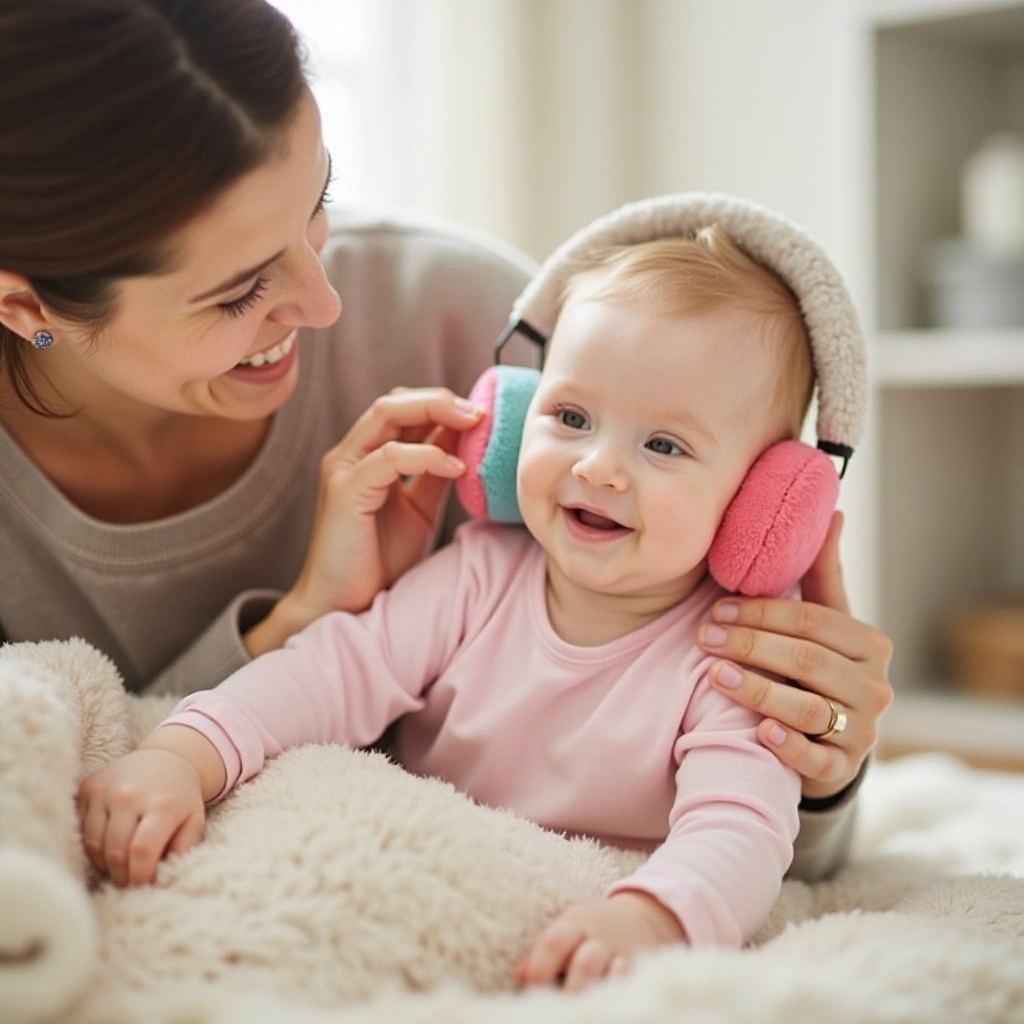
Noise exposure can significantly affect an infant’s cognitive and auditory development. High noise levels can cause stress, disturbed sleep, and even physical effects like hearing damage. Ensuring your infant is in a low-noise environment supports their sensory growth and mental development.
Common Mistakes to Avoid When Using Ear Muffs
As we acknowledge the importance of hearing protection, it’s crucial to avoid common mistakes when using ear muffs to guarantee their effectiveness:
-
Incorrect Fit: Make sure the headband and ear cups are adjusted correctly to avoid discomfort and ineffective noise reduction.
-
Overuse: Ear muffs should not be worn for excessively long periods. Apply breaks to allow for comfort and breathability.
-
Neglecting Maintenance: Keeping ear muffs clean and in good condition can extend the life of the product and maintain hygiene.
Conclusion
Prioritizing your infant’s hearing protection is an investment in their future. With so many options available, choosing the right ear muffs requires thorough consideration of key features and ensuring proper use. By making informed decisions, you can provide a safe, sound environment for your infant, fostering healthy development and growth.
Frequently Asked Questions
What are the best materials for infant ear muffs?
Choose ear muffs made from hypoallergenic, non-toxic materials. Soft, durable plastics and padded fabrics enhance comfort and safety.
Can ear muffs be used for newborns?
Yes, there are specially designed ear muffs for newborns. Ensure they fit securely and comfortably without applying pressure on sensitive areas.
How long can infants wear ear muffs safely?
Ear muffs can be worn during noise exposure but should be removed regularly for breaks. Continuous use isn’t recommended to avoid discomfort or excessive isolation.