
Introduction
The iPhone 16 Pro Max redefines mobile photography with its advanced camera capabilities, making it an indispensable tool for capturing stunning visuals. This guide explores the best camera settings to help you maximize the potential of your device. By optimizing these settings, you can elevate your photography skills and ensure that you’re ready to capture breathtaking images in any situation.
Understanding the iPhone 16 Pro Max Camera Features
The iPhone 16 Pro Max’s camera is packed with cutting-edge technology, designed for diverse photography needs. In this section, we’ll dive into the critical features and how to navigate the camera interface.
-
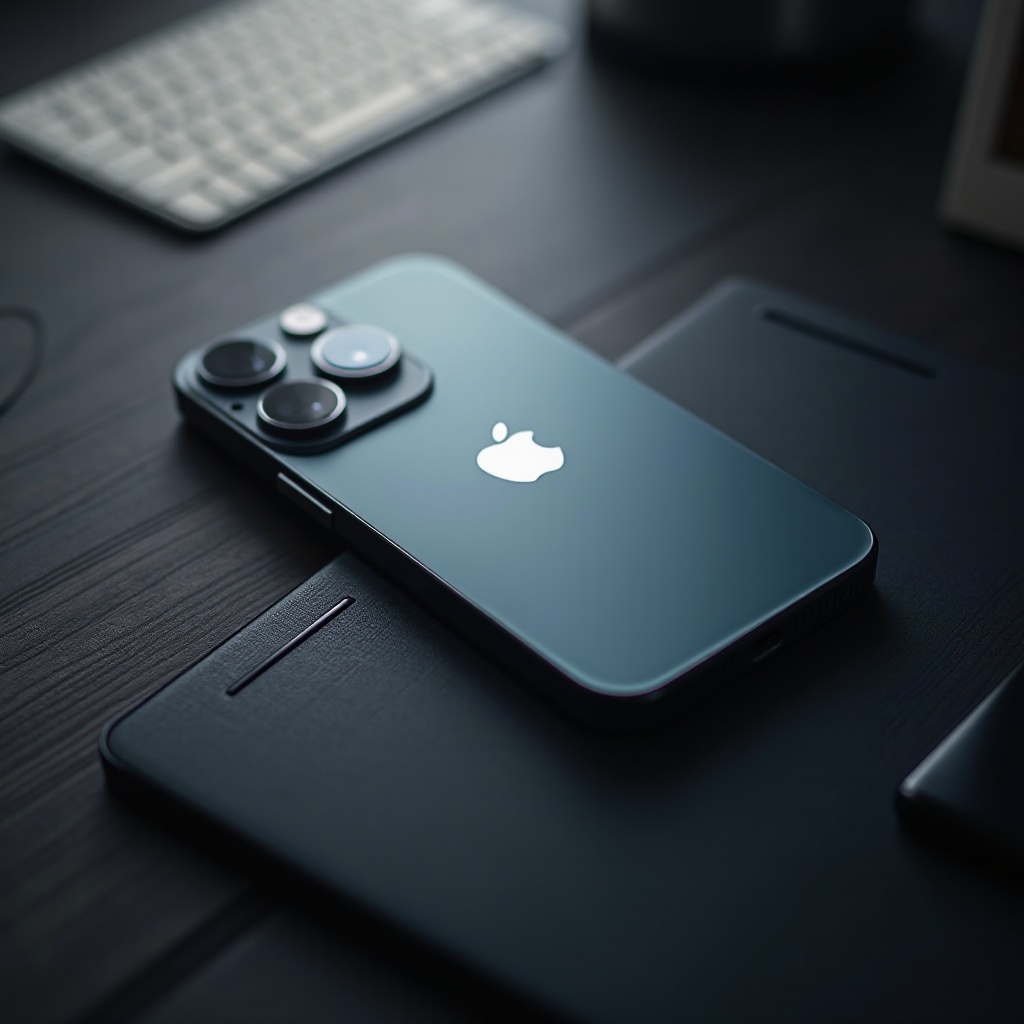
Key Features of the iPhone 16 Pro Max Camera: The device is equipped with a triple-lens system, each featuring advanced sensors and lenses. Its LiDAR scanner enhances focus accuracy, especially in low-light environments. The integration of Smart HDR and Deep Fusion technologies ensures detailed and vibrant images.
-
Navigating the Camera Interface: Familiarize yourself with the camera layout, which allows easy access to essential settings like exposure, focus, and filters. The user-friendly interface lets you switch between shooting modes such as Portrait, Night, and Pro with ease, enabling efficient navigation during your photography sessions.
Mastering these basics sets the foundation for tailoring camera settings to various photography styles and conditions.
Essential Camera Settings
Before diving into specific scenarios, grasping the essential camera settings is crucial. These settings serve as the baseline for any photography session.
-
Default Settings and Adjustments: Begin by exploring the default settings for general use. Adjust the exposure by tapping the screen and sliding to control brightness. Activate the grid for better composition and a balanced frame.
-
Customizing for Different Photography Styles: Different styles, like portrait, landscape, or macro, require specific settings. Adjust focus and exposure per the subject and environment. Use Pro settings for manual control over ISO and shutter speed, allowing you to tailor photographs precisely.
With these essentials in place, you’re ready to explore scenario-specific settings that ensure outstanding results regardless of your subject or location.
Optimal Settings for Different Photography Scenarios
From vast landscapes to intimate portraits, tailoring your settings to each scenario is vital.
-
Best Settings for Landscape Photography: Use the ultra-wide lens for an expansive view. Enable HDR for vibrant colors and details. Adjust focus to maintain sharpness throughout the frame.
-
Portrait Mode Adjustments: In Portrait mode, select a depth effect that flatters your subject. Adjust the aperture to control background blur, highlighting your subject with a pleasing bokeh.
-
Low-Light and Night Mode Tips: In low light, Night mode is invaluable. It enhances detail and reduces noise. Adjust exposure duration by tapping the Night mode icon to improve results in dim conditions.
Armed with these settings, you’re prepared to capture various scenarios without compromising image quality.
Leveraging Advanced Features
Beyond the essential and scenario-specific settings, the iPhone 16 Pro Max offers advanced features that elevate your photography experience.
-
Utilizing Smart HDR and AI Tools: Smart HDR expands dynamic range, balancing shadows and highlights. AI tools optimize settings based on scene recognition, enhancing your photos.
-
Understanding and Using Apple ProRAW: Apple ProRAW combines RAW format benefits with Apple’s computational photography. Enable it in settings for comprehensive post-processing flexibility without detail loss.
-
Third-Party Apps for Enhancing Photography: Explore third-party apps like Halide and Lightroom Mobile. They provide advanced manual controls, offering greater creative freedom. Experimentation with these apps can provide remarkable outcomes.
By leveraging these features, you’ll harness your iPhone 16 Pro Max to its fullest potential, creating images that are creatively satisfying and technically impressive.
Editing and Sharing Photos
Once you’ve captured your masterpieces, refine them using the built-in editing tools and share them on social media for broader reach.
-
In-Camera Editing Techniques: Utilize the Photos app for editing. Adjust exposure, brightness, contrast, and saturation. Use the crop tool to perfect your composition. Familiarize yourself with these tools to enhance photos without needing external software.
-
Preparing for Social Media Sharing: Tailor your photos for specific platforms using Square features for Instagram or 16:9 ratios for Facebook. Enhance visibility and engagement through captions, hashtags, and geotags.
Refined and shared images showcase your skills and invite feedback, fueling your photographic journey.
Comparison with Previous Models
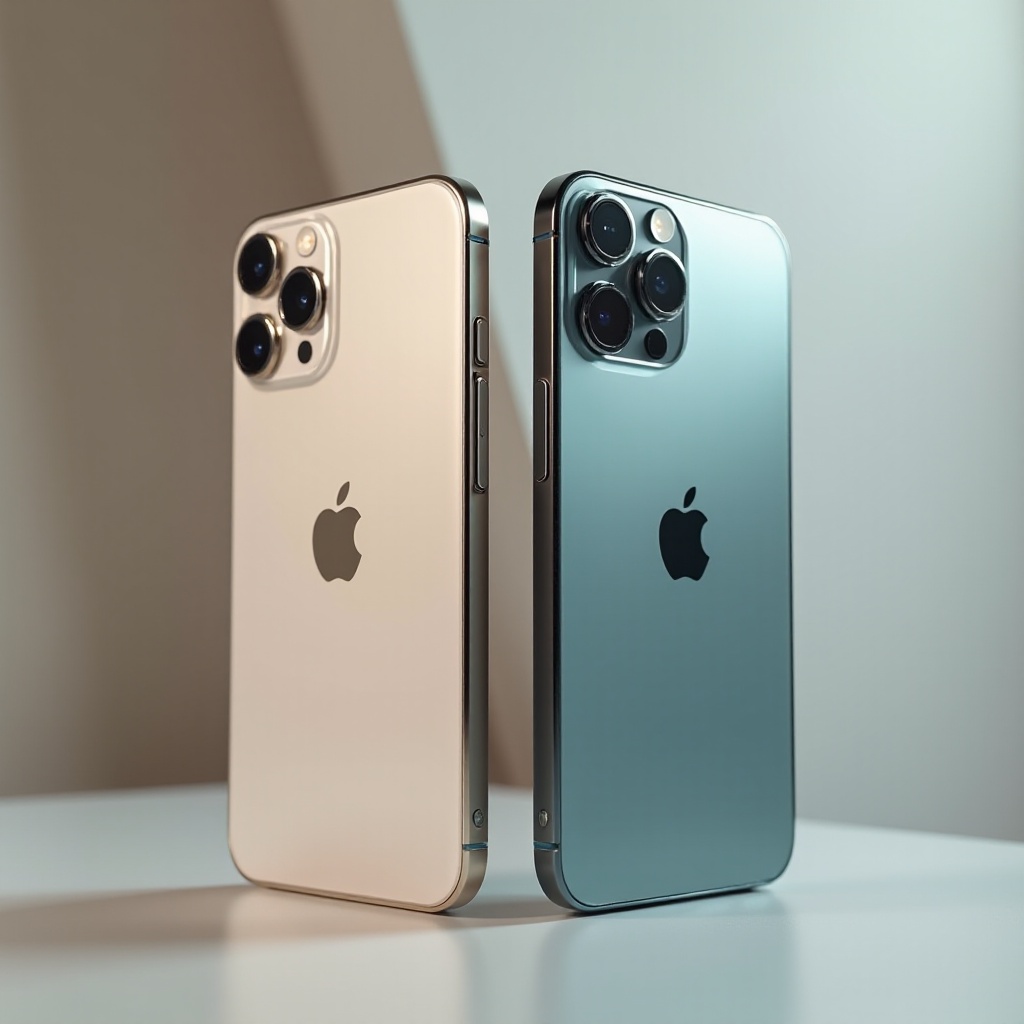
Comparing the iPhone 16 Pro Max with the iPhone 15 Pro Max reveals substantial camera and computational photography improvements.
- What’s New Compared to iPhone 15 Pro Max: Significant upgrades include better sensor technology, enhancing low-light performance, and faster autofocus. Enhanced AI capabilities offer superior clarity and detail across diverse conditions.
These advancements guide informed transitions and technique adaptations, enriching your mobile photography experience.
Conclusion
The iPhone 16 Pro Max is a formidable photography tool, capable of meeting diverse needs with ease. By mastering and optimizing its camera settings, you can transform ordinary moments into extraordinary visuals. Equipped with this guide, you’re ready to explore landscape photography, capture striking portraits, and make the most of your device’s capabilities. Practice, embrace these settings, and unlock limitless creative potential.
Frequently Asked Questions
How do I optimize battery usage while using the camera?
Activate Low Power Mode during long shoots, reduce screen brightness, and close background apps to conserve battery while maximizing camera usage.
What are the best settings for shooting videos on iPhone 16 Pro Max?
For high-quality videos, switch to 4K at 60fps. Use stabilization settings and consider utilizing cinematic mode for added depth and focus control.
Can I recover original photos after editing?
Yes, within the Photos app, you can revert edits and restore the original photo by selecting the image, tapping ‘Edit,’ and choosing ‘Revert.’