
Building a compact and powerful PC doesn’t have to break the bank, especially when selecting the right Mini ITX motherboard. These small yet robust boards fit snugly into space-saving cases while supporting a myriad of features for budget-conscious builders. Let’s delve into choosing the best budget Mini ITX motherboards for 2024, providing excellent performance without straining your finances.
Introduction
Mini ITX motherboards have become increasingly popular as they offer the capabilities of larger boards in a smaller form factor. For budget-conscious consumers, the availability of these versatile boards provides various choices that cater to different needs, whether for gaming or general use. Understanding the essential features and what makes a budget Mini ITX motherboard the best option is crucial. This guide will explore what to look for in these compact boards, showcase top picks, and provide tips for assembling an economical yet powerful Mini ITX system.
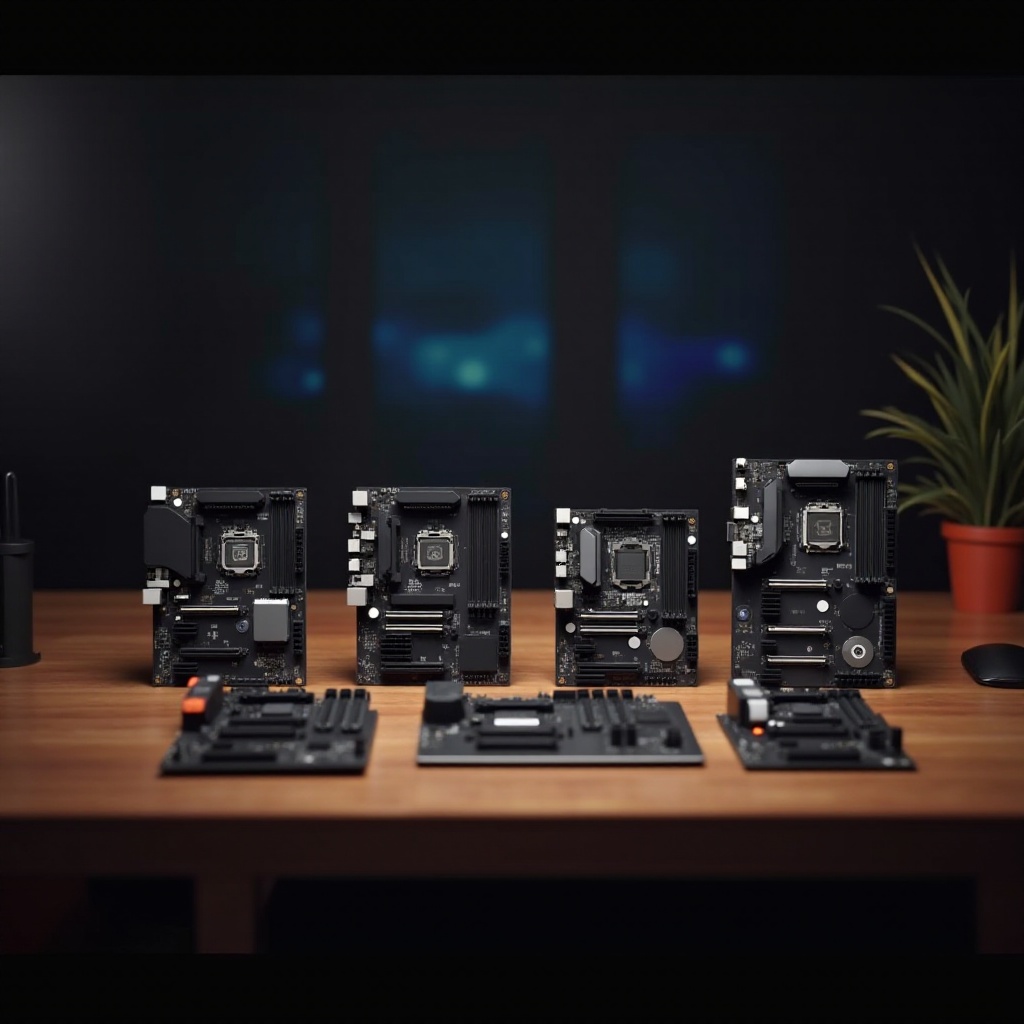
Key Considerations for Choosing a Budget Mini ITX Motherboard
Choosing the right Mini ITX motherboard necessitates considering factors crucial for compatibility and enhanced performance:
-
Compatibility with CPUs: Ensure the motherboard supports the CPU you plan to use. Check socket and chipset compatibility for seamless operation.
-
RAM and Expansion Capabilities: Determine maximum RAM capacity and available DIMM slots. Opt for boards that support dual-channel memory, vital for tasks demanding higher memory bandwidth.
-
Connectivity Options and Features: Look for built-in Wi-Fi, Bluetooth, and numerous USB ports for peripheral connectivity. Secure adequate SATA ports or M.2 slots for SSDs, which significantly affect the build’s storage capacity.
Understanding these fundamental aspects helps make an informed choice. Let’s examine some leading models available in the market today.
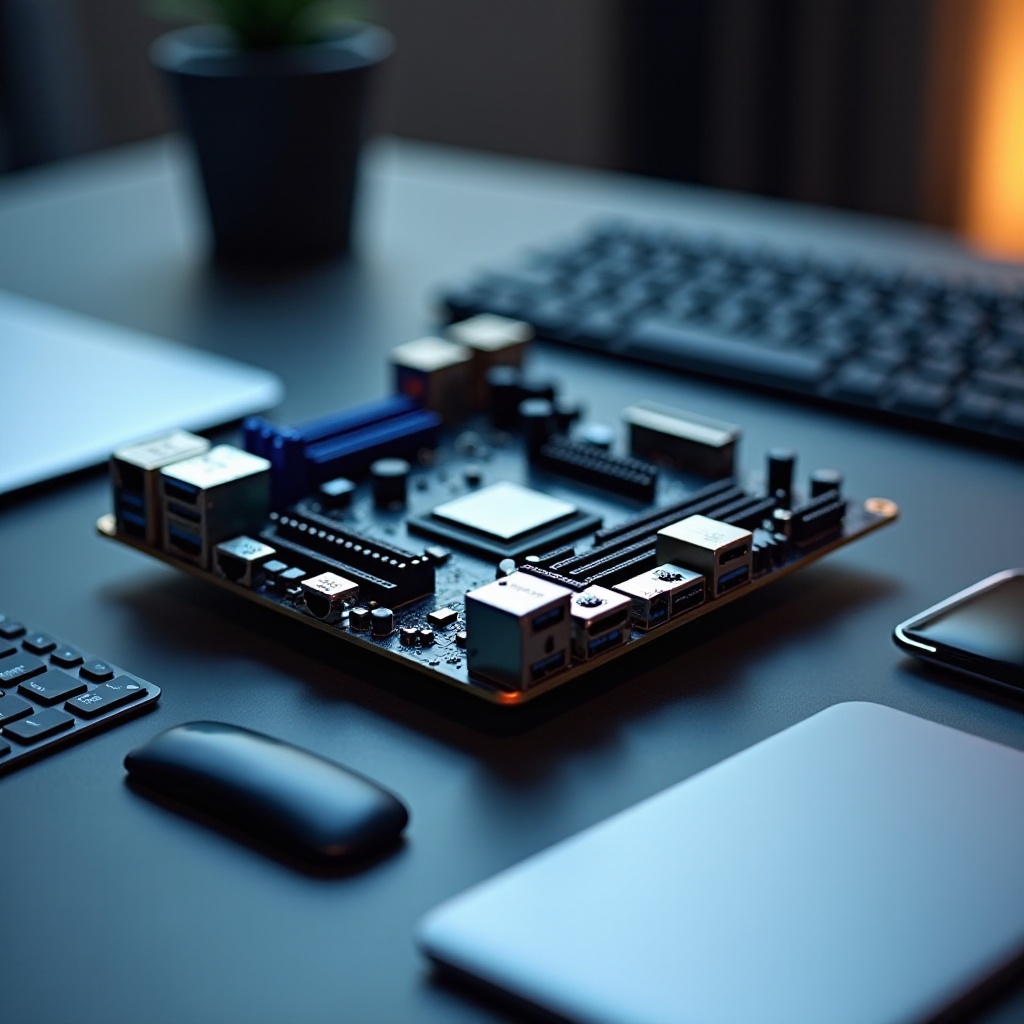
Top 5 Best Budget Mini ITX Motherboards for 2024
Let’s explore top budget Mini ITX motherboards available in 2024 and analyze their features, advantages, and drawbacks:
- Motherboard 1 – Features, Pros, and Cons:
- Features: Solid power delivery, ample USB ports, RGB lighting.
- Pros: Great value for money, robust performance.
-
Cons: Limited BIOS settings for enthusiasts.
-
Motherboard 2 – Features, Pros, and Cons:
- Features: Built-in Wi-Fi, dedicated cooling support, high-speed RAM support.
- Pros: Efficient thermal management, modern connectivity options.
-
Cons: Restricted overclocking capabilities.
-
Motherboard 3 – Features, Pros, and Cons:
- Features: Compact layout, energy-efficient design, multiple display outputs.
- Pros: Suitable for small builds, power-saving features.
-
Cons: Fewer expansion slots.
-
Motherboard 4 – Features, Pros, and Cons:
- Features: High-quality audio, PCIe expansion slots, aesthetic design.
- Pros: Ideal for multimedia setups, stylish appearance.
-
Cons: Slightly higher power draw.
-
Motherboard 5 – Features, Pros, and Cons:
- Features: Affordable, reliable performance, latest processor support.
- Pros: Excellent for beginners, easy installation.
- Cons: Limited future-proofing support.
Identifying these top choices lays the groundwork for further comparisons. Next, we dive into their detailed performance and value assessments.
Detailed Comparison of Top Models
When comparing these models, we focus on their performance and overall value:
-
Performance and Benchmark Analysis: Every motherboard offers unique performance levels. Benchmarks illustrate how they manage under load, particularly with demanding applications and games, ensuring your choice aligns with your intended use.
-
Build Quality and User Experiences: Assess durability by considering materials used and real user reviews. As build quality often translates into reliability, user feedback aids in avoiding potential drawbacks.
-
Price Versus Value: Compare what you gain relative to what you spend. Evaluate extra features, connectivity, and utility against their price to discern true value.
Carefully weighing these comparisons may prepare you to assemble your system. Here’s how you can make it budget-friendly yet adept.
Building a Budget Mini ITX System
Building a budget Mini ITX system requires strategic planning. Here are tips to maximize your investment:
-
Tips for Efficient Component Selection: Choose components that offer solid performance without brand premiums. Aim for mid-tier GPUs and CPUs that balance performance and cost.
-
Cost-Saving Strategies: Bundling components or watching for sales can significantly lower costs.
-
Optimizing Space and Performance: Utilize components designed for compact setups without sacrificing cooling efficiency, essential for maintaining performance in small builds.
Following these strategies can lead not only to saving money but also to creating a build that exceeds expectations in performance.

Conclusion
Choosing the best budget Mini ITX motherboard involves balancing performance, features, and cost. By understanding core requirements and evaluating available models, you can craft a system that satisfies your needs. Whether assembled for gaming or as a home workstation, the right motherboard lays a solid foundation for reliable and efficient performance.
Frequently Asked Questions
What is the best budget mini ITX motherboard for gaming in 2024?
The best choice depends on specific needs like required features and budget. Look for options with solid performance benchmarks and integrated gaming features.
Can mini ITX motherboards handle high-performance components?
Many Mini ITX motherboards support high-performance CPUs and GPUs. Ensure your choice offers sufficient power delivery and cooling options.
How do I ensure compatibility with my existing PC components?
Check motherboard specifications for socket compatibility with your CPU, RAM type and speeds, and available slots and connections that match your components.